2 Meter Led Strip Light Explained: A UK Buyer's Guide
TL;DR: A 2 metre LED strip light is usually the right choice for short UK installations such as kitchen cabinets, shelves, desks, wardrobes and TV units. For the best result, choose the right brightness in lumens, check the colour temperature and CRI, match the IP rating to the room, and confirm the voltage and driver are compatible before buying.
A 2 metre LED strip light is best for short lighting runs where you want a neat, practical fit without excess waste. In most UK homes, it works well for under-cabinet lighting, shelving, wardrobes, alcoves, desks and display units. However, the right option depends on brightness, colour temperature, IP rating, cut points and power supply compatibility.
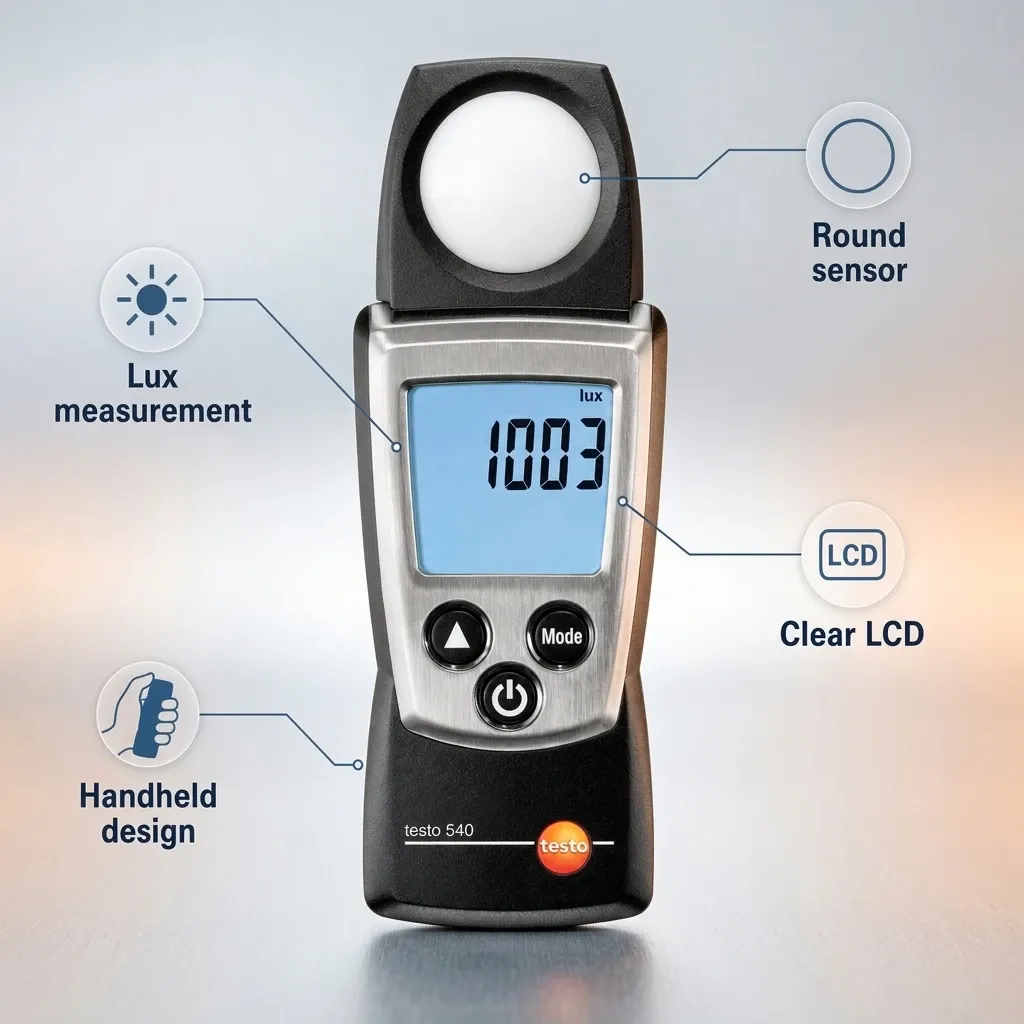
At BestSquare, our focus is professional-grade light measurement for UK users who need dependable results. Based on our testing approach, brightness claims can look impressive on packaging but still fall short in real use. Therefore, measuring illumination with a digital lux meter gives a clearer picture of whether an LED strip is suitable for task lighting, display use or ambient lighting.
Key Takeaways
- A 2 metre LED strip light suits short runs such as cabinets, wardrobes, desks, alcoves and display shelves.
- Brightness should be judged in lumens and lux, not marketing claims alone.
- For kitchens and work areas in the UK, cool or neutral white often supports better visibility than very warm tones.
- IP rating matters: dry rooms need less protection than bathrooms or splash-prone spaces.
- Cut points, voltage and driver compatibility are essential before you buy.
- A lux meter helps confirm whether your installation delivers usable light levels for work, photography or commercial settings.
What is a 2 metre LED strip light best used for?
A 2 metre length is popular because it suits many common British spaces without forcing you to buy a much longer reel and trim away the excess. In flats, terraces and newer-build homes where dimensions can be tighter, this shorter run is often easier to install neatly. As a result, it can also be more cost-effective when you only need targeted lighting rather than a full-room perimeter effect.
Typical uses include under-cabinet kitchen lighting, wardrobe rails, mirror backlighting, TV units, bookcases and shop displays. In addition, it offers flexibility for both renters and homeowners. You can use it as accent lighting or choose a higher-output version for more practical visibility.
If you are comparing lengths more broadly, our guide to 15 metre LED light strips in the UK explains when a short run is the smarter option and when longer continuous coverage makes more sense.
What does “2 metre” mean when buying an LED strip light?
Not all products sold as a 2 metre LED strip light are identical. Some are supplied as a true pre-cut 2 metre length with connectors already fitted. Others are cut from longer reels. Consequently, that difference affects ease of installation, power requirements and how neatly the strip integrates into your space.
Is a pre-cut 2 metre LED strip easier to install?
Yes, in many cases it is. Pre-cut strips are convenient if you want quick installation with fewer decisions. They often come with adhesive backing and a compatible power supply. Therefore, they suit straightforward domestic jobs such as cupboard lighting or behind-headboard illumination.
Should you buy a custom-cut strip from a reel?
This option offers more flexibility if you need exact placement around corners, channels or shelving sections. However, check the cut intervals carefully. Some strips can only be trimmed every few centimetres; others have wider spacing between cut points.
Is the full 2 metres always usable?
Not necessarily. You may lose a little effective lit length at the ends because of connectors or mounting clearances. In narrow alcoves or fitted joinery, that matters more than many buyers expect. So before ordering, measure your installation area carefully.
How bright should a 2 metre LED strip light be?
This is where many buying guides stay too vague. Brightness should not be reduced to phrases such as “soft glow” or “super bright”. Instead, think in terms of total lumen output and real-world lux at the surface being lit.
Lumens tell you how much visible light the strip produces overall. Lux tells you how much of that light reaches a given area. If you are fitting lighting under cabinets to prepare food or over a workstation for close tasks, lux matters far more than headline packaging claims.
How many lumens do you need for ambient lighting?
If your goal is mood lighting behind furniture or around shelving edges, moderate lumen output is usually enough. In these applications, you are aiming for atmosphere rather than functional illumination.
How bright should an LED strip be for task lighting?
If the strip will illuminate worktops, desks or display preparation areas, choose higher output and pair it with proper diffusion so that brightness feels comfortable rather than harsh.
Why does lux matter more than marketing claims?
According to UK workplace guidance from the Health and Safety Executive, suitable lighting is an important factor in comfort, performance and safety. In practice, guessing often leads to under-lighting. A digital lux meter lets you verify whether your chosen strip provides appropriate illumination at surface level instead of relying on impressions alone.
BestSquare’s professional approach to light measurement is built around this exact problem: visual judgement alone can be misleading. If you want to understand practical readings better, see our Lux Meter Light Meter Explained: A UK Buyer’s Guide.
What colour temperature is best for a 2 metre LED strip light?
Colour choice changes both appearance and usefulness. For many UK buyers, this decision has more impact than expected. So rather than choosing by trend alone, match the colour temperature to how the space will actually be used.
Is warm white best for living spaces?
Usually around 2700K to 3000K, warm white creates a softer domestic feel. Therefore, it works well in lounges, bedrooms and hospitality-style settings where ambience matters most.
Is neutral white better for kitchens?
Often around 4000K, neutral white gives cleaner visual definition without feeling clinical. As a result, it suits kitchens, utility rooms and home offices particularly well.
When should you choose cool white?
Typically in the 5000K to 6500K range, cool white appears crisper and sharper. It can be useful for task zones where clarity takes priority over cosiness.
Is RGB suitable for everyday lighting?
An RGB 2 metre LED strip light is popular for gaming setups and feature lighting. However, it is less suitable when accurate colour rendering or dependable task visibility is required. If your goal is practical illumination rather than decorative effects alone, white LED strips usually offer better functional results.
The NHS notes that good lighting supports safer environments and effective visual tasks when properly specified. While domestic installations differ from healthcare settings, the principle still applies: choose colour temperature based on use rather than appearance alone.
The Importance of CRI in a 2 Metre LED Strip Light
CRI stands for Colour Rendering Index. It measures how accurately colours appear under artificial light compared with natural reference light. This matters if your strip will be used near clothing storage، bathroom mirrors، photography backdrops or retail stock displays.
A higher CRI generally gives truer-looking colours. For purely decorative installations
Ready to upgrade your lighting audits with BestSquare?
Shop the Meter — £392.19