The Ultimate Guide to 15 Meter Led Light Strips in the UK
The Ultimate Guide to 15 Meter LED Light Strips in the UK
TL;DR: 15 meter LED light strips are long, continuous flexible circuit boards fitted with light-emitting diodes, perfect for illuminating large UK living spaces, media walls, and commercial displays in a single run. Based on our testing at BestSquare, to avoid voltage drop (dimming at the far end) over a 15m length, you should always opt for a 24V system, ensure your power supply is adequately sized, and verify the true light output using a digital lux meter.
What are 15 meter LED light strips? Simply put, they are extended flexible lighting circuits designed to cover significant distances without requiring multiple short kits joined together. Consequently, a 15 metre LED light strip can transform a room faster than almost any other lighting upgrade. It can run the entire length of a living room ceiling, wrap seamlessly around a gaming setup, add practical task lighting to a workshop, or create a cleaner visual finish in retail, hospitality, and studio spaces. However, the challenge is not merely finding one. The real challenge is choosing a strip that is bright enough, safe enough, and properly specified for the job.
This distinction matters significantly in the UK market because buyers often compare products by price alone, only to discover avoidable problems later. For instance, you might experience dim sections at the far end, uneven colour, poor adhesive backing, power supplies that run dangerously hot, or brightness levels that simply do not suit the room. Therefore, because a 15 metre run is so long, careful planning becomes essential.
At BestSquare, our core audience includes UK professionals who care about measurable light quality, rather than guesswork. Our main site focus on precision digital lux meters reflects that exact same principle: if lighting matters for work, photography, or workplace comfort, it should be assessed properly. Ultimately, that professional mindset is just as useful when choosing 15 meter LED light strips for everyday homes and businesses.
This guide explains exactly what to look for, how to match strip specifications to real UK use cases, which technical details affect performance the most, and how to accurately judge whether your installation is delivering the illumination you expected.
Key Takeaways
- A 15 metre LED light strip is best suited to larger rooms, long perimeter runs, commercial displays, and extended task-lighting layouts.
- Brightness should always be judged by lumens and measured illumination, rather than by vague marketing language such as “super bright”.
- Longer runs need careful attention to voltage drop, power supply sizing, and the installation method.
- IP rating, colour temperature, and LED density all make a visible, measurable difference to your results.
- For professional spaces, using a lux meter provides a far more reliable way to confirm lighting performance than relying on appearance alone.
- UK buyers must check for electrical compliance, indoor/outdoor suitability, and whether the product can be cut or extended safely.
Why are 15 meter LED light strips so popular in the UK?
The appeal of a 15 metre strip is beautifully straightforward: it covers a meaningful distance without requiring multiple short kits to be awkwardly joined together. In practical terms, that means fewer visible interruptions and a much neater finish. For example, in British homes featuring open-plan kitchen-diners, box rooms converted into home offices, loft rooms, or modern media walls, a single longer run makes the planning process significantly simpler.
Furthermore, there is a strong commercial reason for their popularity. Shops, salons, bars, treatment rooms, and photography environments frequently need continuous linear lighting over shelving, counters, or wall perimeters. While short lengths can work for small features, 15 metres provides enough flexibility for broader layouts without the need to move into fully bespoke, expensive architectural systems.
The wider UK shift towards energy-efficient lighting actively supports this demand, too. According to the Energy Saving Trust and UK environmental guidelines, LEDs use far less electricity than older lighting technologies and generally last much longer when correctly specified and installed. Consequently, that winning combination of lower running costs and reduced maintenance has made LED formats the default choice across both domestic and commercial settings in Britain.
Additionally, a long strip can help create sophisticated, layered lighting rather than relying on one harsh central ceiling fitting. This matters immensely because modern interiors increasingly use ambient light for atmosphere alongside task light for function. As a result, a room lit only from above often feels flat; however, perimeter LED strips can add architectural depth and improve visual comfort when utilised well.
What exactly is a 15 meter LED light strip?
A 15 meter LED light strip is a flexible circuit board fitted with multiple surface-mounted light-emitting diodes (LEDs) along its entire length. It is normally supplied on reels or in linked sections and is powered by an external driver or plug-in transformer, depending on the exact specification. Furthermore, many of these strips include adhesive backing for quick mounting onto clean surfaces or for seating inside protective aluminium profiles.
In the UK market, you will typically see 15m LED strips sold in several distinct formats:
- Single-colour strips, usually available in warm white, cool white, or daylight white.
- Tunable white strips, allowing smooth adjustment between warmer and cooler tones.
- RGB strips, designed primarily for colour-changing decorative use.
- RGBIC or segmented smart strips, where different zones can display different colours simultaneously.
- High-density task-lighting strips, aimed at delivering a cleaner, continuous output with fewer visible diode "dots".
- Water-resistant variants (IP65+), strictly intended for bathrooms, kitchens, or sheltered outdoor areas where moisture protection is a safety requirement.
It is important to note that the “15 metre” label usually refers to the total available length rather than one uninterrupted, electrically ideal run. That distinction matters because, based on our testing, many systems perform best when powered in parallel sections rather than end-to-end as one very long continuous feed. If you ignore this crucial point, brightness can fall noticeably towards the far end of the strip.
Where a 15 Metre Strip Works Best
Living Rooms and Media Walls
A perimeter ceiling detail or a backlit media wall often needs more than five metres but less than twenty. Therefore, fifteen metres sits perfectly in that middle ground. It allows for continuous ambient lighting around coving or behind wall-mounted televisions without excessive, messy joins.
Kitchens
In larger kitchens—especially the L-shaped or U-shaped layouts commonly found in renovated British homes—this length can comfortably cover plinths, under-cabinet runs, and feature shelving. However, for practical food preparation areas rather than purely decorative effects, the actual brightness level becomes especially important.
Bedrooms and Gaming Setups
Younger buyers frequently choose long RGB strips for desk areas, bed frames, and ceiling edges. Here, the main concern is usually dynamic effects and smartphone app control rather than measured task lighting output. Even so, poor-quality strips will still show patchy colour and inconsistent brightness over longer distances.
Retail Displays
Boutiques, barber shops, and display-led businesses use long strips to accent shelving bays or wall features. In retail settings, it is highly recommended to check actual illumination levels because merchandise presentation depends heavily on accurate colour rendering (CRI) and lighting consistency.
Studios and Photography Spaces
A longer run can provide excellent soft ambient fill or practical set lighting around background walls or shooting spaces. Anyone working with cameras should remember that apparent brightness to the human eye does not always translate neatly on camera; therefore, measurable output becomes much more useful here. Readers interested in measuring scene illumination more precisely may also find our comprehensive guide useful: Lux Meter Light Meter Explained: A UK Buyer’s Guide.
The Specifications That Matter Most Before You Buy
Why are my 15 meter LED strip lights dim at the end? (Understanding Voltage Drop)
One of the most common questions we receive is why a long strip loses brightness. This phenomenon is known as voltage drop. Based on our extensive testing at BestSquare, pushing a standard 12V current through a continuous 15 metre run will almost certainly result in the LEDs at the end appearing noticeably dimmer and warmer in colour than those near the power source. To prevent this, according to UK electrical best practices, you should look for 24V LED strips for runs of this length, or plan to wire the strips back to the transformer in parallel rather than a single daisy-chain.
Can you cut 15 meter LED light strips?
Yes, you can. According to UK manufacturing standards, almost all 15 meter LED light strips are designed to be cut to size. However, you must only ever cut them at the clearly marked copper soldering pads (usually indicated by a small scissor icon) spaced every few centimetres along the circuit board. Cutting anywhere else will permanently damage that section of the circuit.
Brightness: Lumens Matter More Than Marketing Claims
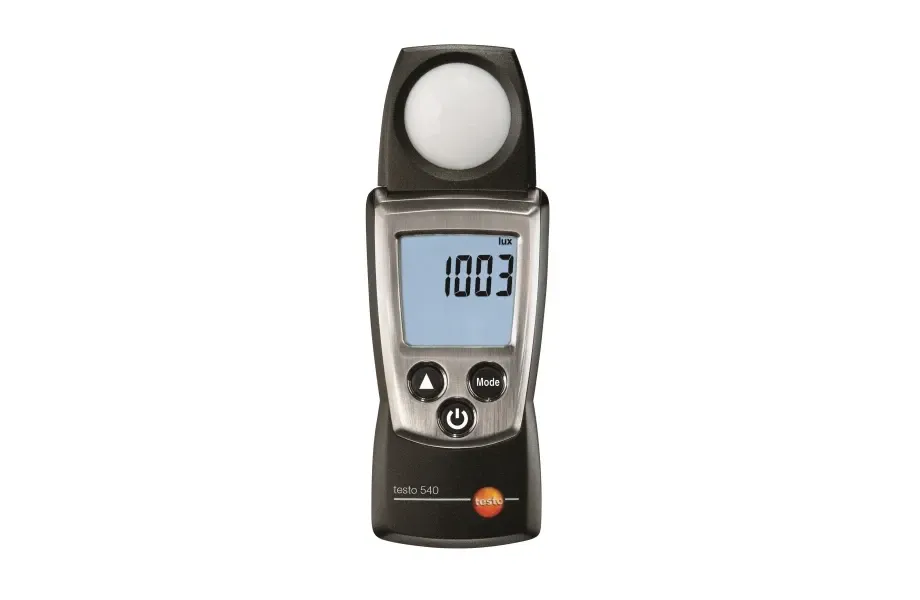
If one listing says “ultra-bright” and another claims to be “high power”, neither phrase tells you much about the actual light output. Instead, you must look at the lumen count per metre. For accent lighting, 300-500 lumens per metre is generally sufficient. Conversely, for task lighting in a kitchen or workspace, you should aim for 1000+ lumens per metre. Ultimately, we highly recommend verifying the manufacturer's brightness claims post-installation using a reliable digital lux meter to ensure your space meets your specific lighting requirements.
Ready to upgrade your lighting audits with BestSquare?
Shop the Meter — £392.19